Source Mitsubishi Lancer Engine Gasket Set for Engines, Repairs, Overhauls
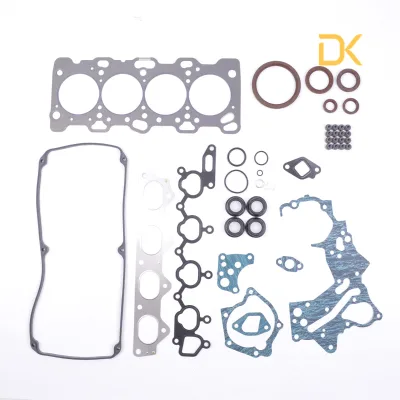
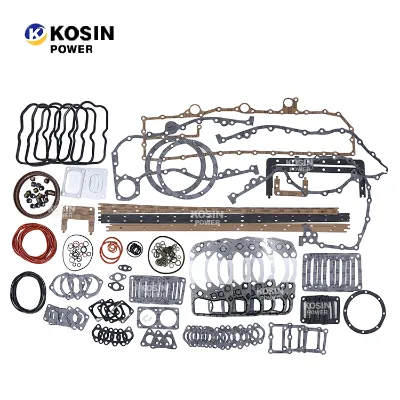
Compare 30 listings for the mitsubishi lancer engine gasket set, including cylinder head gaskets and overhaul kits for Mitsubishi 4G63T and 4K22D4T engines. Buyers can review specifications, certifications, and packaging options from verified suppliers.
Key considerations
Products List


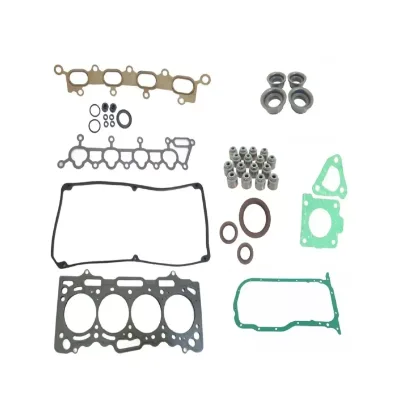
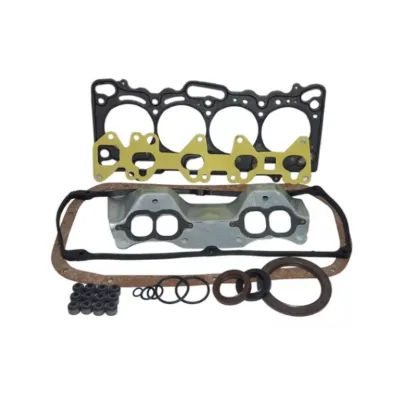


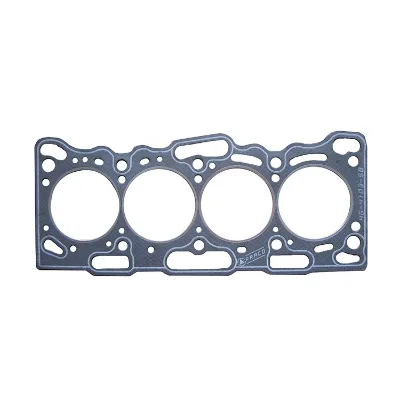
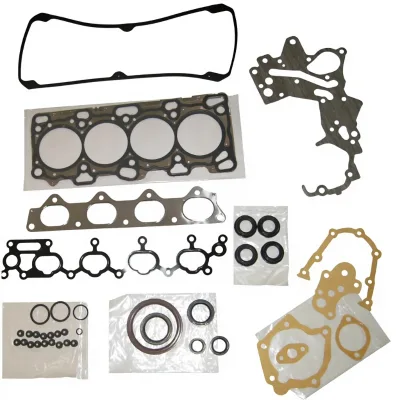

Comprehensive Sourcing Guide
Strategic Sourcing Guide for Mitsubishi Lancer Engine Gasket Sets
Procuring engine gasket sets for the Mitsubishi Lancer, particularly those involving high-performance variants like the 4G63T, requires a rigorous approach to verifying component compatibility and material integrity. The global market for automotive overhaul kits is vast, yet the specific engineering demands of turbocharged engines necessitate a procurement strategy that prioritizes technical precision over generic availability. Buyers must navigate a landscape where "aftermarket replacement" claims must be substantiated against OEM standards to ensure engine longevity and performance reliability. This guide outlines the critical factors for sourcing these components, focusing on the intersection of technical specifications, material science, and supply chain verification.
Technical Specifications and Component Identification
The foundation of a successful procurement process lies in the precise identification of the engine model and the corresponding gasket set requirements. For the Mitsubishi Lancer, the engine architecture varies significantly between naturally aspirated and turbocharged configurations. The 4G63T 2.0-liter turbo engine, a hallmark of the Lancer Evolution series, demands gasket sets capable of withstanding elevated cylinder pressures and thermal loads. Similarly, the 4G64 and the 4K22 series engines present distinct sealing challenges due to their specific bore and head configurations.
When evaluating product listings, buyers must cross-reference the stated engine model against the component's application data. A valid gasket set for a 4G63T engine will often be explicitly labeled with that designation, alongside specific part numbers that align with the manufacturer's original design. The physical dimensions of the gasket set are equally critical; variations in thickness and bore diameter can lead to catastrophic engine failure if mismatched. For instance, the Multi-Layer Steel (MLS) gasket technology is frequently specified for high-performance applications, utilizing a composite of metal layers to provide superior resilience against head bolt stretch and thermal expansion.
Buyers should verify the following technical attributes before placing an order:
- Engine Model Compatibility: Explicit confirmation of the engine code (e.g., 4G63T, 4G64, 4K22D4T).
- Material Composition: Identification of the gasket material, such as Multi-Layer Metal Composite Paper or FKM Oil Seals, which dictate thermal and chemical resistance.
- Dimensional Accuracy: Verification of the gasket's physical footprint, often described in centimeters (e.g., 16.50cm x 9.00cm x 6.00cm for specific kit components).
- Component Specificity: Ensuring the kit includes all necessary seals, such as the cylinder head gasket, intake manifold gasket, and oil seals, rather than a partial set.
Material Science and Performance Standards
The material selection for engine gasket sets is a primary determinant of performance and durability. In the context of the Mitsubishi Lancer, the choice between standard composite materials and advanced Multi-Layer Steel (MLS) constructions is paramount. MLS gaskets are engineered to handle the extreme conditions of turbocharged engines, offering a balance of elasticity and strength that prevents head gasket failure under high boost pressures. The presence of FKM (Viton) oil seals within the kit further enhances the assembly's resistance to high temperatures and aggressive lubricants.
When sourcing, buyers must scrutinize the material specifications provided by the supplier. Claims of "Aluminum Alloy" construction may refer to the cylinder head or block compatibility rather than the gasket material itself, which is typically a composite of steel, rubber, and graphite. It is essential to distinguish between the material of the sealing element and the material of the engine block it seals. The standard component definition often implies adherence to a baseline quality, but for high-performance applications, the specific alloy composition and layer count of the MLS gasket must be verified.
Furthermore, the manufacturing technique plays a significant role in the final product's quality. Casting and precision stamping are common methods, but the consistency of the seal surface is what ensures a leak-free engine. Buyers should look for evidence of quality control in the manufacturing process, such as the use of standardized components that meet specific industry benchmarks. The condition of the product, whether new or refurbished, must be explicitly stated, with "New" being the standard requirement for engine overhaul kits to ensure optimal sealing performance.
Compliance, Certification, and Regulatory Adherence
Navigating the regulatory landscape is a critical step in B2B procurement, particularly when sourcing automotive components that must meet international safety and environmental standards. For the Mitsubishi Lancer engine gasket sets, compliance with certifications such as CE, ISO, and TS (Technical Specification) is often a prerequisite for market entry in various regions. These certifications indicate that the manufacturer adheres to specific quality management systems and product safety guidelines.
The supply chain for these components often originates from major manufacturing hubs in China and Korea, each with its own regulatory framework. Products originating from China may carry certifications like TSRoHS, E-Mark, and CCC, which are essential for compliance in the European and Chinese markets. Conversely, components from Korea might adhere to different standards, requiring verification of their specific certification status. Buyers must ensure that the listed certifications match the regulatory requirements of their target market.
It is vital to note that the presence of a certification mark does not automatically guarantee compliance for every specific product variant. Buyers should request documentation that links the specific part number to the certification batch. For instance, a gasket set labeled with "CE" must be supported by a Declaration of Conformity that references the specific model and production run. Similarly, ISO certifications should be verified against the supplier's quality management system documentation to ensure that the manufacturing process consistently meets the required standards.
Cost Drivers and Pricing Dynamics
The pricing of engine gasket sets is influenced by a complex array of factors, including material costs, manufacturing complexity, and supply chain logistics. The observed price range in the market can be extensive, spanning from low-cost generic options to premium OEM-standard kits. This variance is often driven by the quality of materials used, such as the grade of the MLS steel or the type of rubber compound in the oil seals.
Buyers should be aware that the "negotiation" aspect of pricing is common in B2B transactions, particularly for bulk orders. The Minimum Order Quantity (MOQ) plays a significant role in the unit cost, with lower MOQs typically resulting in higher per-unit prices. For specialized components like the 4G63T gasket set, the MOQ may range from 1 to 1000 pieces, depending on the supplier's inventory and production capacity.
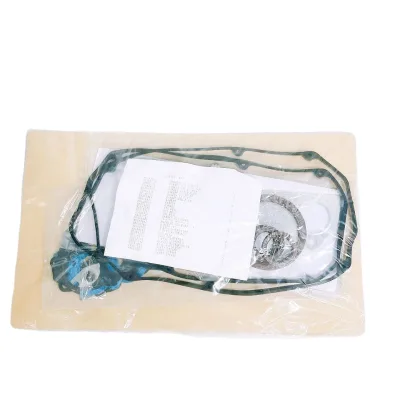
Additionally, the packaging and logistics costs contribute to the final price. Customized packaging, such as "Nice in Brand or Neutral Cuatomized Packing," may incur additional fees compared to standard neutral packing. The origin of the product also affects pricing; components sourced from Korea may carry a premium due to higher labor and manufacturing costs compared to those from China. Buyers must evaluate the total cost of ownership, including shipping, duties, and potential quality risks, rather than focusing solely on the unit price.
Supplier Evaluation and Quality Assurance
Selecting a reliable supplier is perhaps the most critical decision in the procurement process. Buyers should evaluate suppliers based on their ability to provide consistent quality, accurate product descriptions, and responsive customer service. The presence of "OEM" labels, such as the code 3681e051, suggests that the supplier has the capability to produce components that meet original equipment specifications, but this claim must be verified through third-party testing or certification.
Quality assurance protocols should be a central part of the supplier evaluation. Buyers should inquire about the supplier's inspection processes, including incoming material checks, in-process quality control, and final product testing. The "Aftermarket Replacement/OEM Standard" designation implies a commitment to quality, but it is essential to confirm that the supplier has a documented quality management system in place.
Furthermore, the supplier's ability to handle customization requests is a key indicator of their flexibility and technical capability. Features such as "Customized Logo" and "Custom Packing" demonstrate a supplier's willingness to tailor products to specific buyer requirements. However, buyers must ensure that these customizations do not compromise the structural integrity or performance of the gasket set. The "Company Visit: Welcome" attribute suggests a level of transparency and confidence in the manufacturing facility, which can be a positive indicator of supplier reliability.
Long-Term Procurement Considerations and Warranty
Sourcing engine gasket sets is not merely a transactional activity but a strategic decision that impacts long-term operational efficiency. The warranty period, typically ranging from 12 months for aftermarket components, serves as a critical metric for supplier confidence. A robust warranty indicates that the supplier stands behind the quality of their product and is prepared to address any defects or failures that may arise.
Buyers should also consider the availability of spare parts and the supplier's ability to maintain a consistent supply chain. The "Stock up: in Stock" attribute is a positive sign, but buyers must verify the sustainability of this inventory level. Fluctuations in raw material prices or geopolitical factors can impact supply continuity, so diversifying the supplier base may be necessary to mitigate risk.
Finally, the application of the gasket set in specific engine models, such as the Doosan or Mitsubishi variants, requires a deep understanding of the engine's operational environment. Buyers should ensure that the gasket set is suitable for the specific duty cycle and operating conditions of the vehicle. Regular maintenance schedules and the potential for future upgrades should also be factored into the procurement strategy to ensure long-term compatibility and performance.
Conclusion
The procurement of Mitsubishi Lancer engine gasket sets requires a meticulous approach that balances technical precision, regulatory compliance, and supplier reliability. By focusing on the specific engine models, material specifications, and certification requirements, buyers can mitigate the risks associated with aftermarket components. The complexity of the global supply chain necessitates a thorough evaluation of suppliers, ensuring that the chosen components meet the rigorous standards required for high-performance engines. Ultimately, a strategic sourcing approach that prioritizes quality and long-term value will yield the best results for B2B buyers in the automotive aftermarket sector.
FAQs
What engine models are compatible with these gasket sets?
These gasket sets are compatible with Mitsubishi 4G63T, 4G64, and 4K22D4T engines. The product specifications explicitly list these models as the primary application targets for the overhaul kits.
Which certifications do the gasket sets hold?
The gasket sets hold certifications including CE, ISO, TSRoHS, E-Mark, and CCC. These certifications indicate compliance with international safety and quality standards for automotive components.
Can the packaging be customized for my brand?
Yes, customization is available for packaging, including neutral or branded options. Suppliers offer carton or bag box packing as required, allowing for specific branding needs.
What is the warranty period for these products?
The warranty period for these products is 12 months. This coverage applies to aftermarket replacement kits that meet OEM standard quality requirements for engine overhaul.
How is the material composition defined for the gaskets?
The gaskets are made from Multi Layer Metal Composite Paper FKM Oil Seal materials. This composition ensures durability and resistance to high temperatures and oil exposure in engine applications.
What is the minimum order quantity for custom logos?
The minimum order quantity for custom logos is 10 pieces. This allows buyers to request specific branding on the packaging or product components with a low entry threshold.
Are these products available in stock for immediate shipment?
Yes, the products are currently in stock for immediate shipment. This availability ensures faster delivery times for buyers requiring urgent engine overhaul components.